


Insulin Resistance Vs Diabetes: What Is The Difference?
- Admin
- Oct 30, 2026
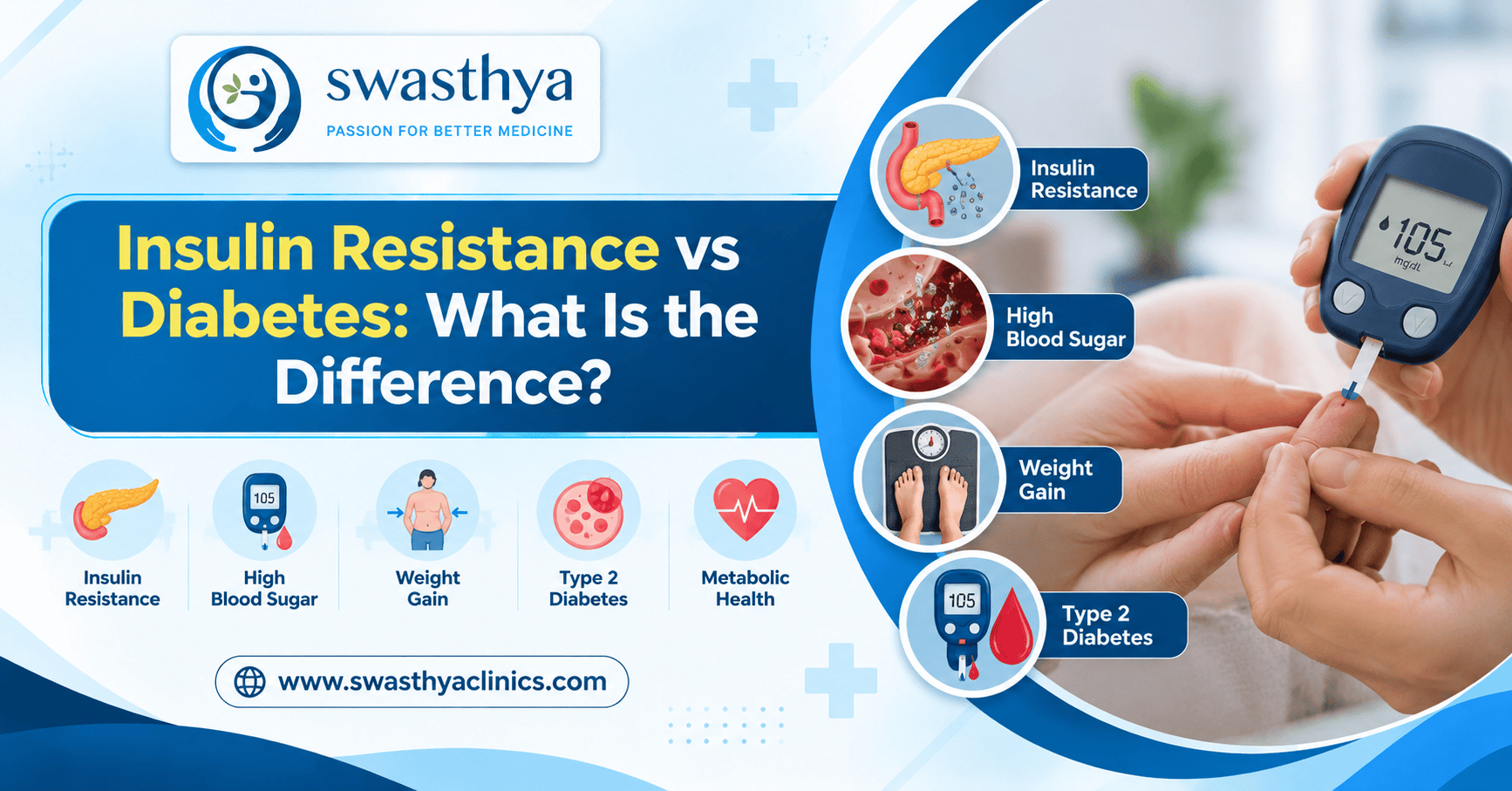
Insulin resistance and diabetes are closely related health conditions, but they are not the same. Both affect how the body regulates blood sugar, and understanding the difference can help you recognise early warning signs and take timely action. Many people have insulin resistance for years without knowing it, while others discover the condition only after their blood sugar levels become abnormal.
Insulin resistance occurs when the body's cells do not respond properly to insulin, a hormone that helps glucose move from the bloodstream into the cells. As a result, the pancreas produces more insulin to maintain normal blood sugar levels. Over time, this compensation may become insufficient, causing blood glucose levels to rise and potentially leading to Type 2 diabetes.
Early identification is important because lifestyle changes and appropriate medical guidance can help reduce the risk of progression. Consulting the Best General Physician in Jaipur can help you understand your blood sugar reports, assess your metabolic health and identify whether further evaluation is needed.
What Is Insulin Resistance?
Insulin resistance is a metabolic condition in which the body's muscle, fat and liver cells become less responsive to insulin. Insulin normally helps glucose enter cells, where it is used for energy. When cells do not respond effectively, the pancreas releases additional insulin to keep blood glucose within the normal range.
In the early stages, blood sugar levels may remain normal because the pancreas compensates by producing more insulin. However, if insulin resistance continues, the pancreas may gradually struggle to produce enough insulin to meet the body's needs.
This condition is commonly associated with excess abdominal fat, physical inactivity, poor dietary habits and certain hormonal or genetic factors.
What Is Diabetes?
Diabetes is a chronic metabolic disease characterised by persistently elevated blood glucose levels. It develops when the body either does not produce enough insulin or cannot use insulin effectively.
Type 2 diabetes is particularly associated with insulin resistance. In this condition, the pancreas may initially produce extra insulin, but over time, insulin production may become inadequate to maintain healthy blood glucose levels.
Unlike insulin resistance alone, diabetes is diagnosed when blood glucose levels meet established diagnostic thresholds.
Diabetes can affect several organs if blood sugar remains uncontrolled for a prolonged period, including the:
-
Heart and blood vessels
-
Kidneys
-
Eyes
-
Nerves
-
Feet
Early diagnosis and appropriate management can significantly reduce the risk of these complications.
Insulin Resistance vs Diabetes: Key Differences
Although these conditions are connected, they differ in their effects on blood sugar regulation.
| Factor | Insulin Resistance | Diabetes |
|---|---|---|
| Meaning | Body cells respond poorly to insulin | Blood glucose levels remain abnormally high |
| Blood Sugar | May remain normal initially | Higher than normal diagnostic levels |
| Insulin Levels | Often elevated in early stages | May be high, normal or low depending on the type and stage |
| Symptoms | Often no noticeable symptoms | May cause increased thirst, frequent urination and fatigue |
| Diagnosis | Assessed through clinical evaluation and metabolic risk factors | Diagnosed using established blood glucose tests |
| Management | Lifestyle changes and treatment of associated risk factors | Lifestyle management, monitoring and medication when required |
Important: Insulin resistance does not automatically mean that a person has diabetes. However, it can increase the risk of developing Type 2 diabetes over time.
What Are the Common Signs and Symptoms of Insulin Resistance?
Insulin resistance often develops silently, which is why many people remain unaware of it. Some individuals may experience physical changes that indicate an increased risk of metabolic problems.
Common signs include:
1. Increased Abdominal Fat
Excess fat around the waist is associated with insulin resistance and a higher risk of metabolic disorders.
2. Dark Patches on the Skin
A condition called acanthosis nigricans can cause dark, thickened and velvety skin, particularly around the neck, armpits and groin. It may be associated with insulin resistance.
3. Skin Tags
Small, soft skin growths around the neck or underarms may sometimes be associated with insulin resistance.
4. Increased Hunger
Some people experience frequent hunger or cravings, although these symptoms are not specific to insulin resistance.
5. Difficulty Managing Weight
Insulin resistance may occur alongside excess body weight and metabolic changes, making weight management challenging for some individuals.
It is important to remember that these signs alone cannot confirm insulin resistance. Medical assessment and appropriate testing are needed.
What Are the Warning Signs of Type 2 Diabetes?
As blood glucose levels increase, some people begin experiencing noticeable symptoms.
Common warning signs include:
-
Frequent urination, especially during the night
-
Excessive thirst and dry mouth
-
Increased hunger despite eating regularly
-
Unexplained weight loss
-
Persistent tiredness or weakness
-
Blurred vision
-
Slow healing of cuts and wounds
-
Recurrent skin or urinary tract infections
-
Tingling or numbness in the hands and feet
Some people with Type 2 diabetes may not experience noticeable symptoms for a long time. Therefore, regular blood sugar screening is important, particularly for individuals with risk factors.
What Causes Insulin Resistance?
There is no single cause of insulin resistance. It usually develops due to a combination of lifestyle, genetic and medical factors.
Some common contributing factors include:
1. Excess Body Weight: Particularly excess abdominal fat, which is associated with changes in insulin sensitivity.
2. Physical Inactivity: A sedentary lifestyle can reduce the body's ability to use glucose effectively.
3. Unhealthy Eating Habits: Regular consumption of calorie-dense foods, sugary beverages and highly processed foods may contribute to weight gain and metabolic problems.
4. Family History: Having close family members with Type 2 diabetes increases your risk.
5. Poor Sleep: Inadequate sleep and disrupted sleep patterns can negatively affect metabolic health.
6. Hormonal Conditions: Conditions such as polycystic ovary syndrome (PCOS) are associated with increased insulin resistance in some individuals.
7. Certain Medications: Some medicines, including long-term corticosteroid treatment, may affect blood glucose regulation.
How Is Insulin Resistance Different From Prediabetes?
Insulin resistance and prediabetes are related but distinct terms.
Insulin resistance describes how the body's cells respond to insulin. Prediabetes refers to blood glucose levels that are higher than normal but not high enough to meet the diagnostic criteria for diabetes.
A person may have insulin resistance without having prediabetes. However, insulin resistance is a common underlying factor in the development of prediabetes and Type 2 diabetes.
Prediabetes is an important warning stage because timely lifestyle changes can help prevent or delay the development of Type 2 diabetes.
Which Tests Help Detect Insulin Resistance and Diabetes?
Your doctor may recommend different tests depending on your symptoms, medical history and risk factors.
1. Fasting Blood Sugar Test
This test measures blood glucose after at least eight hours of fasting.
-
Normal: Below 100 mg/dL
-
Prediabetes: 100–125 mg/dL
-
Diabetes: 126 mg/dL or higher
2. HbA1c Test
The HbA1c test measures average blood glucose levels over approximately the previous two to three months.
-
Normal: Below 5.7%
-
Prediabetes: 5.7%–6.4%
-
Diabetes: 6.5% or higher
3. Oral Glucose Tolerance Test (OGTT)
This test measures how effectively the body processes glucose after drinking a standard glucose solution. Blood glucose is generally checked two hours later.
-
Normal: Below 140 mg/dL
-
Prediabetes: 140–199 mg/dL
-
Diabetes: 200 mg/dL or higher
4. Fasting Insulin Test
In selected cases, doctors may recommend fasting insulin measurements to assess insulin levels alongside other metabolic findings. However, fasting insulin and HOMA-IR are not routinely used as standalone diagnostic tests for diabetes, and there is no universally accepted cutoff for insulin resistance.
A Diabetes Doctor in Jaipur can help interpret these results in the context of your overall health rather than relying on a single test value.
Note: Diabetes diagnosis generally requires confirmation with repeat testing unless there is unequivocal hyperglycaemia or a hyperglycaemic crisis. Individual test interpretation may vary in certain medical conditions.
Can Insulin Resistance Be Reversed?
In many people, insulin sensitivity can improve significantly with appropriate lifestyle changes and medical management.
Although the response varies from person to person, the following measures can help:
1. Maintain a Healthy Body Weight
Losing excess weight, particularly abdominal fat, can improve insulin sensitivity. Even modest weight loss may provide metabolic benefits.
2. Follow a Balanced Diet
Include vegetables, whole grains, pulses, lean protein, fruits and healthy fats in your daily meals. Limit sugary drinks, refined carbohydrates and highly processed foods.
3. Exercise Regularly
Aim for at least 150 minutes of moderate-intensity physical activity per week, such as brisk walking or cycling, along with strength-training activities on two or more days.
4. Improve Sleep Quality
Most adults should aim for approximately seven to nine hours of sleep every night. Consistent sleep habits support overall metabolic health.
5. Manage Stress
Chronic stress may influence hormones, eating habits and blood glucose regulation. Relaxation exercises, yoga and regular physical activity may help.
6. Follow Medical Advice
Some individuals may require medication depending on their metabolic risk factors and associated medical conditions. Do not start or stop medicines without consulting your doctor.
Can Insulin Resistance Lead to Type 2 Diabetes?
Yes, insulin resistance can increase the risk of developing Type 2 diabetes, but progression is not inevitable.
Initially, the pancreas compensates for insulin resistance by producing additional insulin. However, when the pancreas cannot maintain sufficient insulin production, blood glucose levels may begin to rise.
This process can develop gradually over several years.
The good news is that early intervention can make a meaningful difference. Healthy eating, regular physical activity, weight management and appropriate medical follow-up can help reduce the risk of progression.
When Should You Consult a Doctor?
Do not wait for severe symptoms before getting your blood sugar checked. Consider consulting a doctor if you:
-
Have a family history of Type 2 diabetes.
-
Have excess abdominal fat or are overweight.
-
Notice dark patches around your neck or armpits.
-
Experience frequent thirst or urination.
-
Have been diagnosed with high blood pressure or abnormal cholesterol levels.
-
Have previously received a prediabetes diagnosis.
-
Have a history of gestational diabetes or PCOS.
If you are experiencing symptoms of high blood sugar or have concerns about your metabolic health, timely evaluation can help identify problems before complications develop.
For individuals looking for Diabetes Treatment in Jaipur, Swasthya Clinic provides medical consultation and guidance for evaluating blood sugar concerns, understanding metabolic risk factors and planning appropriate care.
Frequently Asked Questions (FAQs)
1. Is insulin resistance the same as diabetes?
No. Insulin resistance means the body's cells do not respond effectively to insulin. Diabetes occurs when blood glucose levels become abnormally high and meet established diagnostic criteria. Insulin resistance can increase the risk of Type 2 diabetes.
2. Can you have insulin resistance with normal blood sugar?
Yes. During the early stages, the pancreas may produce extra insulin to compensate for insulin resistance. As a result, blood glucose levels can remain within the normal range.
3. What is the difference between insulin resistance and prediabetes?
Insulin resistance refers to reduced cellular responsiveness to insulin, whereas prediabetes is a condition diagnosed through elevated blood glucose levels that are below the diabetes threshold.
4. Does insulin resistance always lead to Type 2 diabetes?
No. Not everyone with insulin resistance develops diabetes. Lifestyle modifications, weight management and appropriate medical care can help reduce the risk.
5. Can walking help improve insulin resistance?
Yes. Regular walking and other forms of physical activity help muscles use glucose more effectively and can improve insulin sensitivity. Consistency is more important than occasional intense exercise.
6. Which test is best for detecting diabetes?
HbA1c, fasting plasma glucose and the oral glucose tolerance test are commonly used diagnostic tests. The most appropriate test depends on the individual's medical history and clinical circumstances.
7. Can insulin resistance occur in thin people?
Yes. Insulin resistance can affect people who are not overweight. Genetics, body fat distribution, hormonal conditions, physical inactivity and other factors can contribute to its development.
8. How long does it take to improve insulin resistance?
There is no fixed timeline. Some metabolic improvements may occur within weeks to months of consistent lifestyle changes, but the response depends on individual health factors and the treatment plan.
Conclusion
Insulin resistance and diabetes are connected, but understanding their differences is essential for protecting your long-term health. Insulin resistance can develop silently, while Type 2 diabetes occurs when blood glucose levels become persistently elevated.
Recognising risk factors, getting appropriate blood tests and making sustainable lifestyle changes can help improve metabolic health and reduce the risk of diabetes-related complications.
Do not ignore early warning signs or rely on symptoms alone. A timely medical consultation can help you understand your health status and take the right steps towards better blood sugar control.